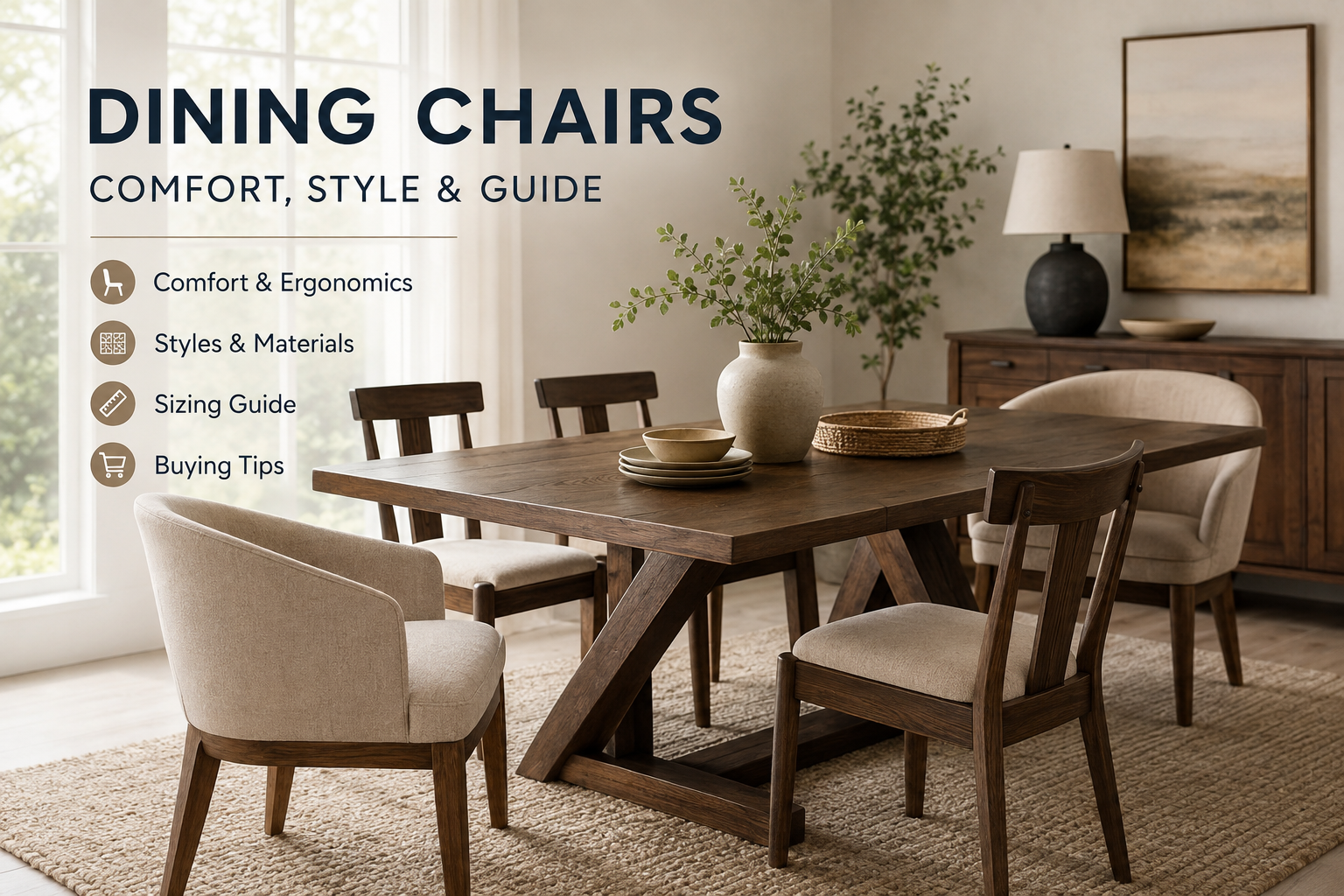
Dining chairs do much more than provide a place to sit. They influence how comfortable your meals feel, how welcoming your dining room looks, and even how practical your space is for everyday life. Whether you’re furnishing a brand-new home, upgrading an old dining set, or mixing and matching chairs for a modern look, choosing the right dining chairs requires careful consideration.
Today’s market offers countless styles, materials, and price points, making the buying process exciting but sometimes overwhelming. A chair that looks stunning online may not provide the support needed for long family dinners, while a comfortable chair might not complement your dining table or interior design.
This comprehensive guide explains everything you need to know about dining chairs, including sizing, materials, comfort, styles, maintenance, and expert buying tips. By the end, you’ll have the confidence to choose chairs that balance aesthetics, durability, and everyday comfort.
What Are Dining Chairs?
Dining chairs are seating designed specifically for use around a dining table. Unlike office chairs or lounge chairs, they are built to support an upright posture that encourages comfortable dining and conversation.
The best dining chairs combine functionality with style, creating a dining area that feels inviting while supporting proper posture during meals, celebrations, and gatherings.
Why Comfort and Design Matter
Comfort is just as important as appearance. Since dining chairs are often used for extended periods during family dinners, holiday gatherings, or working from home, features like seat depth, back support, and cushioning significantly affect the overall experience.
At the same time, your chairs should complement your dining table, flooring, lighting, and surrounding décor to create a cohesive room design.
Types of Dining Chairs
Understanding the different types makes narrowing your options much easier.
Side Chairs
Side chairs have no armrests and are the most common choice for dining rooms. Their compact design allows more chairs to fit around a table, making them ideal for smaller spaces.
Best for:
- Everyday dining
- Apartments
- Compact dining rooms
- Modern interiors
Armchairs
Armchairs feature supportive armrests that add comfort and elegance. They are often placed at the ends of rectangular dining tables to create a balanced, sophisticated look.
Best for:
- Formal dining rooms
- Large dining tables
- Long dinner parties
Upholstered Dining Chairs
These chairs include padded seats and sometimes fully upholstered backs, providing extra comfort and a luxurious appearance.
Best for:
- Extended meals
- Contemporary homes
- Elegant dining spaces
Wooden Dining Chairs
Solid wood remains one of the most popular materials because of its durability and timeless appeal.
Best for:
- Farmhouse style
- Scandinavian décor
- Traditional interiors
Metal Dining Chairs
Metal chairs offer exceptional durability with clean, minimalist lines.
Best for:
- Industrial spaces
- Modern homes
- High-traffic areas
How to Choose the Right Dining Chairs
Choosing the perfect dining chairs involves much more than selecting a color you like.
Measure Your Dining Space First
Always measure your room before shopping.
Leave approximately:
- 36 inches between the table and walls
- 24 inches of width per chair
- 6–8 inches between chairs for comfortable seating
These measurements allow guests to sit and move comfortably without feeling crowded.
Match Chair Height to Table Height
Most dining tables measure around 28–30 inches high.
The ideal dining chair seat height is between 17 and 19 inches, leaving approximately 10–12 inches of legroom between the seat and the tabletop.
A mismatch in height can make even the most beautiful chair uncomfortable to use.
Standard Dining Chair Dimensions
| Feature | Recommended Size | Why It Matters |
| Seat Height | 17–19 inches | Comfortable legroom |
| Seat Width | 16–20 inches | Personal comfort |
| Seat Depth | 16–18 inches | Proper posture |
| Back Height | 30–36 inches | Back support |
| Space Per Chair | 24 inches | Comfortable seating |
Popular Dining Chair Styles
Every home has its own personality, and your dining chairs should reflect it.
Modern
Modern dining chairs feature clean lines, simple silhouettes, and neutral colors.
Popular materials include:
- Metal
- Leather
- Molded plastic
- Wood
Perfect for contemporary homes.
Scandinavian
Scandinavian-inspired dining chairs prioritize simplicity, natural wood, and bright interiors.
Characteristics include:
- Light oak finishes
- Minimalist frames
- Soft neutral fabrics
Ideal for creating warm, inviting spaces.
Mid-Century Modern
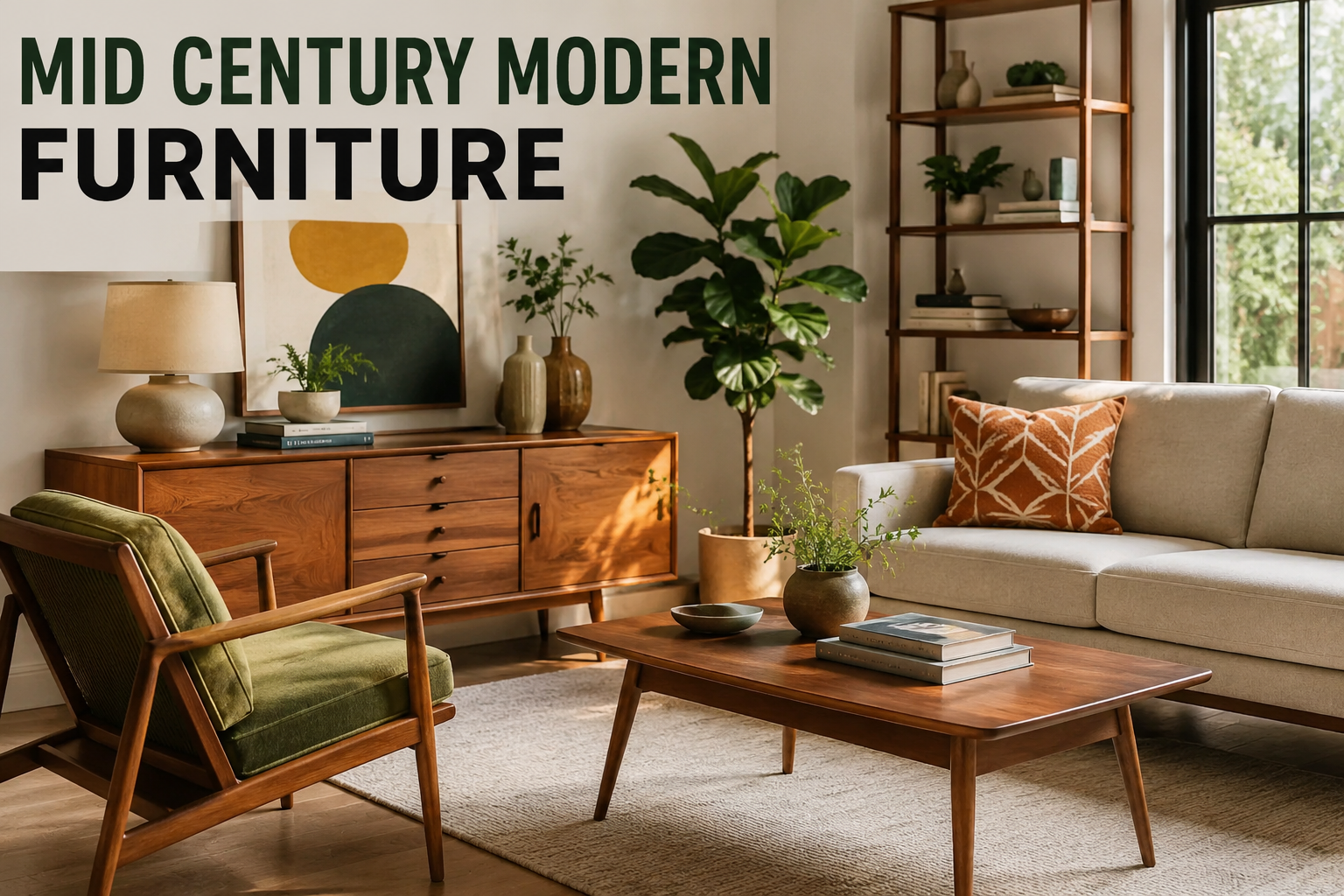
Known for their tapered wooden legs and curved backs, these chairs remain one of the most popular furniture styles.
They blend beautifully with both vintage and contemporary interiors.
Farmhouse
Farmhouse dining chairs combine rustic charm with practical durability.
Common features include:
- Distressed wood
- Cross-back designs
- Neutral finishes
- Comfortable proportions
Industrial
Industrial dining chairs use raw materials like black steel, reclaimed wood, and exposed hardware.
They’re particularly suitable for lofts and urban-inspired homes.
Dining Chair Style Comparison
| Style | Best For | Comfort | Maintenance |
| Modern | Contemporary homes | High | Easy |
| Scandinavian | Minimalist interiors | High | Easy |
| Mid-Century | Versatile spaces | High | Easy |
| Farmhouse | Rustic homes | Medium-High | Moderate |
| Industrial | Urban décor | Medium | Easy |
Best Dining Chair Materials
Material affects appearance, durability, comfort, and maintenance.
Solid Wood
Solid wood remains one of the most durable choices available.
Pros
- Long lifespan
- Classic appearance
- Repairable
- Strong construction
Cons
- Higher price
- Requires occasional maintenance
Upholstered Fabric
Fabric dining chairs provide exceptional comfort while adding softness to a room.
Popular fabrics include:
- Linen
- Polyester
- Cotton blends
- Bouclé
These materials work particularly well in homes where comfort is the top priority.
Leather
Leather dining chairs create a luxurious appearance while remaining relatively easy to clean.
Advantages include:
- Elegant look
- Durable surface
- Easy spill cleanup
- Ages beautifully
Keep leather conditioned regularly to prevent drying and cracking.
Faux Leather
Faux leather offers a similar appearance at a more affordable price.
It is especially suitable for families seeking easy maintenance without the higher cost of genuine leather.
Velvet
Velvet dining chairs add rich texture and visual warmth.
They’re excellent for formal dining rooms but require more frequent care to maintain their appearance.
Material Comparison Table
| Material | Comfort | Durability | Maintenance | Best For |
| Solid Wood | Medium | Excellent | Low | Everyday use |
| Upholstered Fabric | Excellent | Good | Moderate | Family dining |
| Leather | Excellent | Excellent | Easy | Luxury interiors |
| Faux Leather | High | Good | Easy | Busy households |
| Velvet | Excellent | Good | Higher | Formal dining |
What Makes a Dining Chair Comfortable?
Comfort isn’t just about soft cushions. True comfort comes from thoughtful ergonomic design.
Look for features such as:
- Supportive backrest that follows the natural curve of the spine
- Seat depth that allows your feet to rest flat on the floor
- Firm yet supportive cushioning
- Rounded front seat edge to reduce pressure on the legs
- Stable frame with minimal wobbling
If you frequently host dinner parties or work from your dining table, investing in ergonomically designed dining chairs can significantly improve long-term comfort.
Choosing Dining Chairs for Different Needs
No single chair suits every household. Consider how your space is used each day.
Families with Children
Choose stain-resistant fabrics, rounded edges, and durable frames that can handle everyday wear.
Pet Owners
Leather and faux leather are often easier to clean than textured fabrics, while tightly woven upholstery tends to resist pet hair better.
Small Dining Rooms
Slim-profile side chairs, armless designs, and light-colored finishes help create the illusion of more space without sacrificing functionality.
Large Dining Areas
Mix side chairs with upholstered armchairs at the ends of the table to create a balanced and elegant dining arrangement.
How to Match Dining Chairs with Your Dining Table
A well-designed dining room starts with the right pairing of chairs and table. While matching sets remain popular, thoughtfully combining different styles can create a more personalized and visually interesting space.
Wooden Dining Tables
Wood tables pair beautifully with:
- Solid wood chairs
- Upholstered fabric chairs
- Scandinavian-style seating
- Farmhouse chairs
Mixing wood tones can add depth, but keep the undertones (warm or cool) consistent for a cohesive look.
Glass Dining Tables
Glass tables create an open, airy feel and work well with:
- Metal dining chairs
- Leather chairs
- Acrylic chairs
- Modern upholstered chairs
These combinations maintain a clean and contemporary appearance.
Marble Dining Tables
Marble tables complement premium seating such as:
- Velvet chairs
- Leather dining chairs
- Curved upholstered chairs
- Brass-accented frames
The combination creates an elegant, timeless dining room.
Round Dining Tables
Round tables encourage conversation and work best with:
- Armless side chairs
- Curved-back chairs
- Compact upholstered seating
Best Chair Pairings by Table Type
| Table Type | Recommended Chairs | Style |
| Wood | Wood, Upholstered | Farmhouse, Scandinavian |
| Glass | Metal, Leather | Modern |
| Marble | Velvet, Leather | Luxury |
| Round | Curved Side Chairs | Contemporary |
| Rectangular | Side Chairs + Armchairs | Traditional or Modern |
Should You Mix and Match Dining Chairs?
Mixing dining chairs is a popular interior design trend that adds character without sacrificing functionality.
Some easy ways to achieve this look include:
- Use armchairs at each end of the table and side chairs along the sides.
- Keep chair shapes similar while changing upholstery colors.
- Combine wood and upholstered chairs for added texture.
- Match seat heights, even if the chair designs differ.
Avoid using too many colors or drastically different styles, as this can make the dining area feel cluttered.
Best Dining Chairs by Budget
Your budget doesn’t have to limit your options. Excellent dining chairs are available across a wide price range.
| Budget | What to Expect | Best For |
| Under $100 | Simple, functional designs | Apartments, first homes |
| $100–$250 | Better materials and comfort | Everyday family use |
| $250–$500 | Premium upholstery and craftsmanship | Long-term investment |
| $500+ | Designer styles and luxury finishes | High-end interiors |
When shopping, consider long-term value rather than just the initial price. Durable chairs often prove more economical over time.
Dining Chair Buying Checklist
Before making a purchase, ask yourself these questions:
- Does the chair fit under your dining table?
- Is the seat height appropriate?
- Will it remain comfortable during long meals?
- Does the material suit your lifestyle?
- Is it easy to clean?
- Does it complement your dining room décor?
- Is assembly required?
- What warranty is included?
- Is the frame made from durable materials?
- Does it support the expected weight capacity?
Taking a few minutes to review this checklist can help you avoid costly mistakes.
Common Mistakes When Buying Dining Chairs
Even beautiful chairs can become disappointing if practical considerations are overlooked.
Avoid these common mistakes:
Choosing Style Over Comfort
A visually appealing chair isn’t always comfortable enough for everyday use.
Ignoring Measurements
Always measure your table height, room size, and available clearance before purchasing.
Forgetting Maintenance
Velvet and light-colored fabrics may require more frequent cleaning than leather or faux leather.
Buying Oversized Chairs
Large chairs can overcrowd smaller dining rooms and make movement difficult.
Overlooking Build Quality
Look for sturdy joints, quality hardware, and durable finishes to ensure long-lasting performance.
Caring for Your Dining Chairs
Proper maintenance extends the life of your investment.
Wooden Chairs
- Dust regularly.
- Wipe spills immediately.
- Use furniture polish occasionally.
- Avoid prolonged exposure to direct sunlight.
Upholstered Chairs
- Vacuum weekly.
- Treat stains promptly.
- Rotate chairs periodically for even wear.
Leather Chairs
- Clean with a soft cloth.
- Use leather conditioner every few months.
- Keep away from heat sources.
Velvet Chairs
- Brush gently to maintain texture.
- Spot-clean carefully.
- Avoid excessive moisture.
Regularly tighten screws and inspect joints to prevent wobbling and maintain stability.
Dining Chair Trends
Current furniture trends combine comfort with timeless design.
Popular choices include:
- Curved silhouettes
- Bouclé upholstery
- Sustainable wood materials
- Mixed-material frames
- Earth-tone fabrics
- Matte black finishes
- Natural oak wood
- Minimalist Scandinavian designs
Rather than following every trend, choose styles that complement your home and remain functional for years to come.
Are Expensive Dining Chairs Worth It?
Premium dining chairs often feature:
- Higher-quality materials
- Better craftsmanship
- Improved ergonomics
- Longer warranties
- Superior durability
However, higher prices don’t always guarantee better value. Consider construction quality, comfort, and everyday practicality before deciding.
Expert Recommendations
If you’re unsure where to start, these general recommendations can help:
- Best for everyday comfort: Upholstered fabric chairs with supportive backs.
- Best for easy cleaning: Leather or faux leather.
- Best for durability: Solid wood construction.
- Best for small dining rooms: Slim armless side chairs.
- Best for entertaining: Mix upholstered side chairs with armchairs at each end of the table.
- Best for modern interiors: Scandinavian or minimalist designs.
Prioritize comfort, quality, and the way your household uses the dining space over passing trends.
Conclusion
Choosing the right dining chairs involves more than selecting a style that catches your eye. Comfort, size, materials, durability, and maintenance all play an important role in creating a dining space you’ll enjoy for years.
By measuring your room carefully, selecting materials that fit your lifestyle, and prioritizing ergonomic support alongside design, you can invest in chairs that enhance both everyday meals and special gatherings. Whether your preference is a minimalist Scandinavian look, a timeless wooden design, or luxurious upholstered seating, the best choice is one that balances beauty, functionality, and long-term value.
Frequently Asked Questions
1. What is the standard height of dining chairs?
Most dining chairs have a seat height of 17 to 19 inches, which pairs well with standard dining tables measuring 28 to 30 inches tall.
2. How much space should be left between dining chairs?
Allow approximately 6 to 8 inches between chairs and 24 inches of table width per person for comfortable seating.
3. Are upholstered dining chairs worth buying?
Yes. Upholstered chairs provide added comfort and are ideal for extended meals or entertaining, though they typically require more maintenance than non-upholstered options.
4. Which material is best for dining chairs?
The best material depends on your needs. Solid wood offers exceptional durability, leather is easy to clean, and upholstered fabric provides superior comfort.
5. Can you mix different dining chair styles?
Absolutely. Mixing styles can create a designer-inspired look, provided the chairs share similar proportions, seat heights, or complementary finishes.
6. How long do quality dining chairs last?
Well-constructed dining chairs can last 10 to 20 years or longer, especially when properly maintained.
7. Are armchairs better than side chairs?
Armchairs offer additional comfort and work well at the ends of larger dining tables, while side chairs save space and maximize seating capacity.